


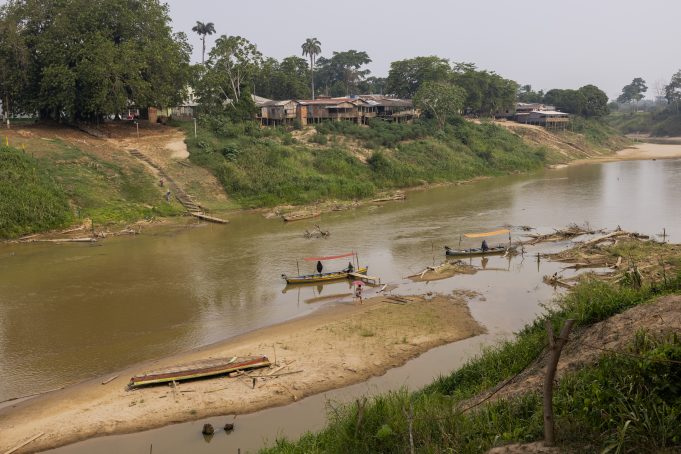
Despite the rebound, the network warned the situation “remains concerning” as severe weather events become increasingly common.
“Extreme weather events are becoming increasingly frequent, and there are signs of instability in the hydrological regime, driven by both climate change and changes in land use,” said Bruno Ferreira of the MapBiomas Amazon team.
Brazil’s vast territory includes several different biomes, including forests, wetlands and grasslands.
The report noted Brazil’s Pantanal — the wetland region south of the Amazon Basin — ended 2025 with water levels 56 percent below its historical average
Although conditions improved compared to 2024 — a year that saw the region’s most severe drought in decades — the wetlands region remained the country’s most stressed ecosystem.
The arrival of El Nino, a natural climate occurrence that warms surface temperatures in the central and eastern equatorial Pacific Ocean, typically causes droughts in parts of the Amazon and threatens to worsen the situation.
The climate phenomenon began last week and could become one of the most intense on record by the end of the year, according to the US National Oceanic and Atmospheric Administration. – AFP