




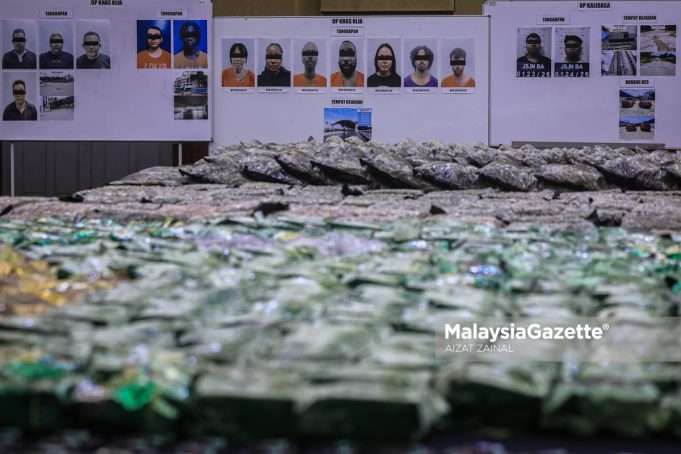
MALAYSIA is confronting a serious public-health and security threat: the growing availability of hard drugs in our communities.
Methamphetamine, heroin, fentanyl and other synthetic drugs destroy lives, tear families apart and enrich organised criminal networks. They are increasingly distributed through social media, messaging applications, courier services and cashless payment systems. The syndicates are evolving rapidly, but the Government’s response still appears fragmented and reactive.
Malaysians deserve to know what concrete action is being taken. How many major syndicates have been dismantled? How many drug laboratories and distribution networks have been uncovered? How much money and property belonging to traffickers have been seized? Most importantly, how many financiers and masterminds—not merely users and street-level dealers—have been successfully prosecuted?
Arresting users and small-time sellers may produce impressive statistics, but it does not necessarily disrupt the networks controlling the trade. Enforcement must move higher up the chain, targeting the importers, manufacturers, financiers, corrupt facilitators and organised crime bosses who profit from addiction.
The same enforcement weakness is visible in the illicit cigarette trade. These products remain widely and openly available despite years of raids, campaigns and official assurances, costing the Government billions of ringgit in lost tax revenue. If illegal cigarettes can enter the country and reach consumers so easily, Malaysians are entitled to ask what else is moving through the same porous borders, distribution networks and corrupt channels.
Why can our enforcement agencies not get their act together? Malaysia has numerous agencies with extensive powers, personnel and resources, yet coordination remains weak and accountability is unclear. When enforcement fails, one agency points to another while the syndicates continue operating.
The debate over whether to ban vape must not distract the government from the real war on drugs. Vape requires firm regulation, particularly to prevent access by minors and misuse involving illegal substances, but banning it cannot substitute for serious action against criminal syndicates.
Malaysia needs an integrated enforcement strategy combining better intelligence, tighter border controls, financial investigations and cooperation with digital platforms, courier companies and payment providers. Agencies should be given measurable targets, while their performance—major syndicates dismantled, criminal assets seized, supply chains disrupted and successful prosecutions—should be reported publicly.
This cannot remain a cycle of slogans, sporadic raids and arrests of people at the bottom of the chain. Whether it is hard drugs or illicit cigarettes, the real question is the same: why are illegal products still so readily available, and who will finally be held accountable?
Hafiz Muzaffar
Subang Jaya