



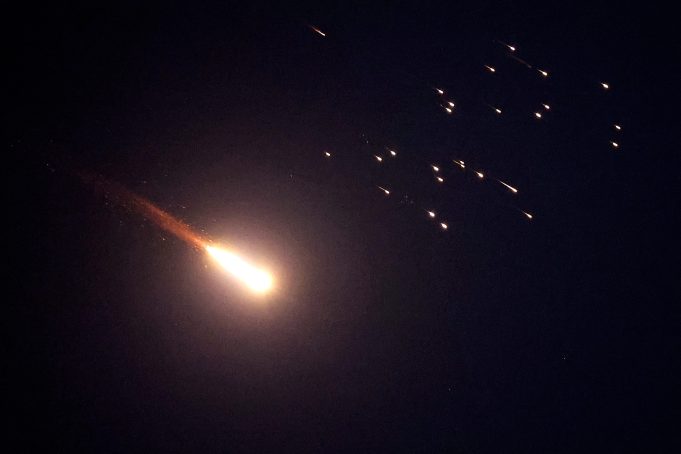
War often feels distant until it disrupts everyday life. For many people around the world, the recent escalation of conflict in the Middle East may appear as another geopolitical headline unfolding thousands of kilometres away. Yet its impact can be immediate and personal. The closure of airspace across parts of the Middle East has disrupted travel plans, forcing airlines to reroute or suspend flights. Such disruptions highlight how deeply interconnected the global system has become.
Beyond military strategies and political tensions, the conflict also presents a significant communication challenge. In an era of real-time information and global mobility, geopolitical crises demand careful and responsible communication to help the public navigate uncertainty and understand rapidly evolving events.
Disruption to Global Travel and Tourism
One of the most immediate global consequences of the conflict is disruption to international travel and tourism. Rising security concerns often lead governments to impose airspace restrictions or travel advisories, creating uncertainty for travellers worldwide.
Tourism is particularly sensitive to perceptions of safety and stability. Even when conflicts occur in specific regions, extensive media coverage can influence travellers’ perceptions of risk. Images of missile strikes, military escalation, and rising tensions often lead travellers to postpone or cancel trips until the situation stabilises.
For tourism boards, airlines, and travel operators, this creates an immediate need for clear and proactive communication. These organisations must respond swiftly with clear and transparent updates regarding travel conditions, potential disruptions, and safety considerations. Effective communication helps manage traveller anxiety while protecting the reputation of destinations that may not be directly involved in the conflict yet are still affected by shifting perceptions.
Crisis Communication in the Aviation Industry
The aviation industry faces particularly complex communication demands during geopolitical crises. Disruptions to travel schedules create logistical complications as well as emotional stress for passengers, who depend heavily on airlines for timely information and guidance regarding alternative arrangements.
In such situations, effective crisis communication becomes essential. Airlines must provide real-time updates, explain operational decisions transparently, and ensure that customer service channels remain accessible. Without effective communication, confusion and frustration can escalate rapidly, especially when travel plans are disrupted with little notice.
The rise of social media has further amplified these communication demands, enabling passenger experiences and public sentiment to spread rapidly across digital platforms. Communication teams therefore play a crucial role in monitoring conversations, responding to concerns, and ensuring that accurate information reaches audiences promptly.
Equally important is reassurance. Transparent communication about safety considerations and operational decisions helps maintain public confidence while demonstrating organisational responsibility.
Managing Global Narratives and Public Perception
The current conflict in the Middle-East also highlights how modern wars unfold within a complex global communication environment. Conflicts today are not only fought through military operations but also through competing narratives circulating across international media platforms.
Governments, international organisations, and news outlets all influence how events are perceived by global audiences. Official statements, press briefings, and media interviews become strategic tools used to justify actions, maintain domestic support, and shape international opinion.
However, the digital information landscape also introduces significant challenges. News, images, and commentary now circulate almost instantly across digital platforms, often before events are fully understood. In such fast-moving situations, speculation and emotionally charged narratives can quickly shape public sentiment and complicate efforts to maintain clarity.
In such circumstances, credibility becomes a critical asset. Institutions and communicators must respond swiftly to clarify misinformation, provide factual updates, and maintain transparency. Consistent and responsible communication helps preserve public trust during periods of uncertainty.
Humanitarian Communication and Ethical Responsibility
Another important dimension of the conflict involves humanitarian communication. Wars often times result in civilian suffering, displacement, and humanitarian crises. International organisations and non-governmental organisations rely heavily on effective communication to raise awareness, mobilise support, and encourage global solidarity.
Images and personal stories shared through media platforms can evoke empathy and inspire support. Yet communicators must balance the urgency with responsibility. Avoiding sensationalism while conveying the realities of conflict respectfully ensures that affected communities are represented with dignity.
Ultimately, the ongoing conflict in the Middle East demonstrates that modern wars extend far beyond the battlefield. They disrupt industries, influence global mobility, shape public perception, and create widespread uncertainty across societies.
Recent developments illustrate how geopolitical tensions can quickly ripple through global systems. Even those observing events from afar are reminded of how interconnected today’s world has become. In an age where information spreads rapidly across borders, transparency, empathy, and responsible communication play a vital role in helping societies navigate uncertainty.
Dr Ong Ai Ling is a Senior Lecturer at the School of Media and Communication, Faculty of Social Sciences and Leisure Management, Taylor’s University.
-MalaysiaGazette