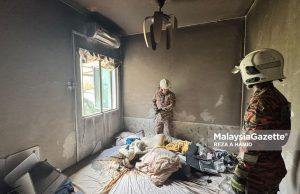




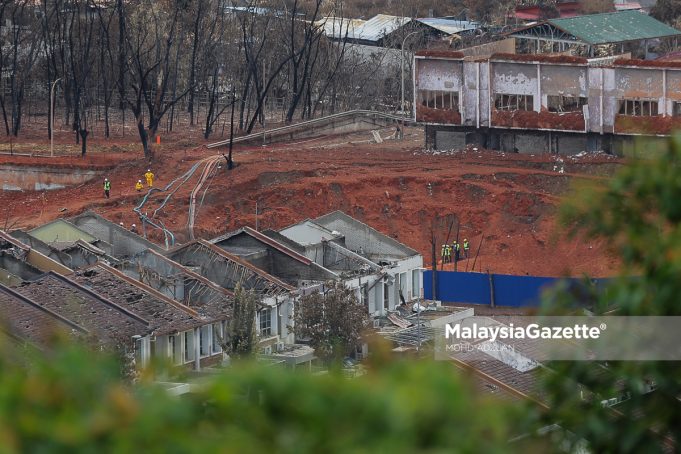
TWO months have passed since the tragic blast that rocked Putra Heights during Aidil fitri — a calamity so profound that its memories linger painfully into this past Aidil Adha. Communities once celebrating reunions would carry the shadow of an incident that upended lives, topped homes, and fractured trust.
My deepest sympathies go to those families who continue to face insecurity and distress. Their sorrow is a reminder: we owe them more than momentary condolences—we owe them a system that protects.
It’s understandable and natural for residents to demand that gas pipelines be relocated further from their homes. Such apprehensions echo a deep concern for personal safety. Yet we must confront a sobering reality: Malaysia’s gas grid is not a luxury—it is a pillar of infrastructure that powers hospitals, industries, schools, and homes. Without a functioning gas network, national stability would unravel: power outages, production halts, and public anxiety would follow.
I read that in Putra Heights, the pipeline that exploded has been there for more than 30 years. It predated the development of homes that now sit just meters away. I recall that there used to be a small stream running near the area where the development is located —now vanished amid urban expansion.
That erosion of natural waterways recalls the devastating Bukit Antarabangsa collapse, where reshaping terrain triggered disastrous soil instability. Could similar tampering, stream diversion or fill over wetlands, have undermined soil integrity here? Were these environmental elements assessed before development approvals?
This raises serious questions. Why did developers and local councils grant green lights to homes built so close to a critical gas utility? Were homebuyers given clear disclosures about the pipeline’s proximity? Did Conditional Compliance Certificates require safety zones? Or did agencies work in silos—one approving while another remained unaware—thereby compromising public safety?
Such questions reveal a bigger problem: Malaysia’s planning ecosystem may lack coordination among environment, utility, zoning, and development agencies. Even if gas pipelines are vital, human safety and land resilience must come first. There must be transparent disclosure to homebuyers: “Your house is just 20 meters from a gas main—built decades ago.” Informed communities make healthier choices.
As a layperson, I cannot diagnose the exact technical cause of the blast. But my common-sense alarm rings: when housing is placed atop modified, compacted, or drained soil, without proper geological review, instability follows. We must not repeat mistakes seen in highland towers or hillside developments. It’s not infrastructure vs. life; it’s infrastructure built safely—or not at all.
We need to press authorities to examine planning processes—from the developer’s blueprint to the agency’s seal. Were environmental impact assessments truly complete? Did soil tests happen? Did the Department of Environment, local councils, and utility companies exchange data? And post-approval, did surveillance ensure that buffer zones were respected, or were builders allowed to inch forward?
This tragedy must prompt action. First, support all victims with fairness—housing relief, medical aid, counselling. Second, audit past permits within pipeline corridors—identify developments built within or too close—and review whether safety zone standards were upheld. Third, reform approval processes: mandate multi-agency sign-off for developments encasing vital infrastructure, and make pipeline locations transparent in public maps.
Gas is essential—and so is life. We must strike a balance where both coexist safely. The Putra Heights incident should spark not merely cleanup and compensation, but a full investigation into the systems we take for granted. If carelessly placed homes trigger tragedy, we must ask: were they approved knowingly? Were buyers kept blind? Will hidden decisions remain hidden?
I appeal not just for reform, but for accountability borne not of blame, but lessons learned. Aidil Adha challenges us to renew commitment—not just to rituals, but to principles of fairness, safety, and stewardship. Let us honour victims by ensuring this never recurs. We owe them, and ourselves, a safer future.
Sincerely,
Dr. Shaharom Nor Azian